
4 hr 30 min
Venetian Islands by Boat: Murano, Burano & Torcello
Cruise the lagoon to three iconic islands—witness master glassblowing, wander rainbow-hued streets, and step into ancient history.
Reserve

Motorized passage to riverine fossil banks, low-tide departure schedules aligned.
Hand-picked by our editors — only the best 5 boat experiences from 12 reviewed.
Verified partners for every tour, free cancellation where available, and instant confirmation on every booking.
4 hr 30 min
Cruise the lagoon to three iconic islands—witness master glassblowing, wander rainbow-hued streets, and step into ancient history.
Reserve
6 hr
Cruise the lagoon aboard a panoramic boat and explore three iconic islands with glassblowing demos and free time.
Reserve
4 hr 30 min
Explore two iconic lagoon islands with live glass artisan demos and rainbow-hued streets
ReservePrices from verified partners. Availability updates in real time at checkout. Free cancellation policies apply where shown.
The landmarks, rooms, and views travelers on this tour remember — all visible on a single visit.
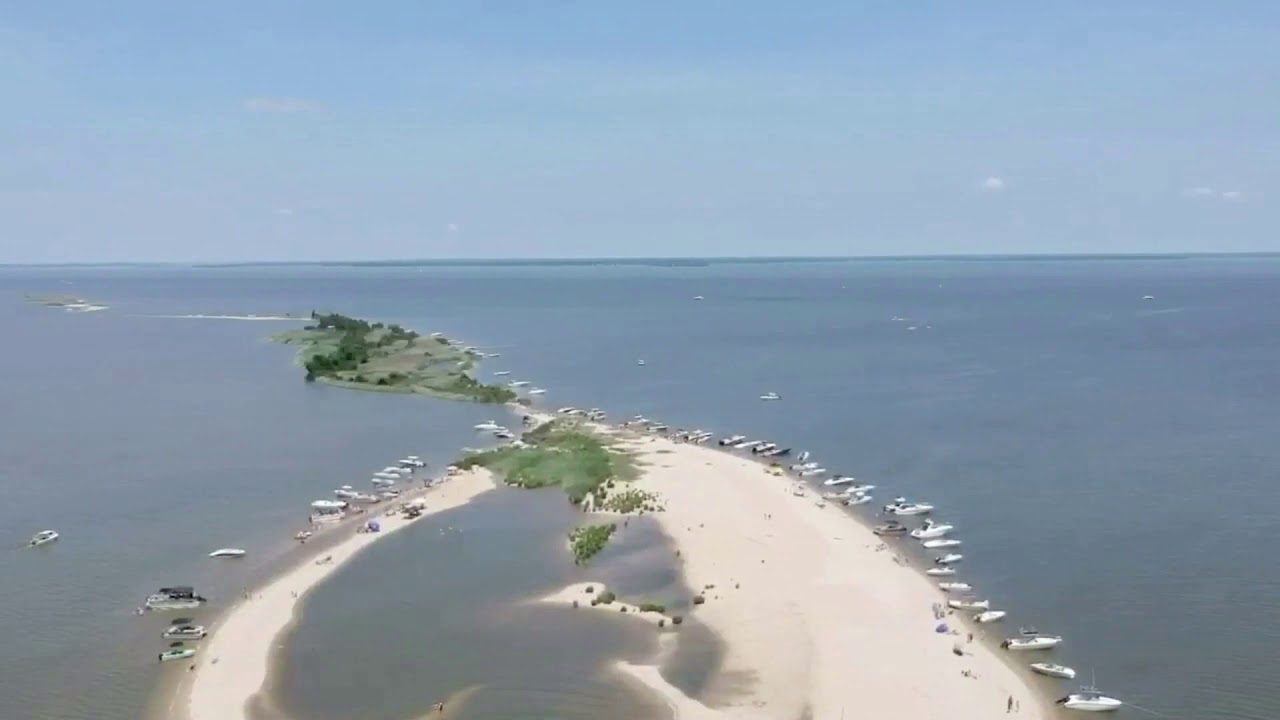
The main beach area is composed of dredge-spoil sediment, rich in Eocene-era shark teeth and fossils.
These smaller neighboring islands offer additional, quieter sifting spots accessible by shallow-draft boats.
Observe the massive container ships moving through the federally-maintained channel nearby.
The island was created in the late 1800s from sediment dredged from the river floor.
The low-tide zones are where visitors traditionally search for fossilized megalodon teeth and sea biscuits.
They complement each other; most visitors who do both find that specialized fossil hunting provides a more active adventure, while general sightseeing offers a relaxing Wilmington landmark overview.
| Feature | Top pick Shark Tooth Island Tours | Wilmington River Cruises |
|---|---|---|
Primary Purpose |
Fossil hunting and exploration | General scenic sightseeing |
Accessibility |
Private boat or tour only | Public vessels with amenities |
Physical Effort |
Requires walking on uneven terrain | Low-impact seated experience |
Typical Duration |
2–4 hours | 1.5–2 hours |
Educational Value |
High focus on marine paleontology | Local history and river geography |
Target Audience |
Families and fossil enthusiasts | Casual tourists and sightseers |
| See tickets → |
Verdict: Choose the shark tooth island boat tours if you prioritize an active search for prehistoric remains, or opt for a standard river tour if you prefer comfortable passage while viewing city landmarks via boat tours tours.
Choose your ticket, select your date, and reserve in under two minutes. Secure checkout handled by our verified partner.
Instant confirmation by email, with a mobile voucher you can save offline. No printing, no queuing at a collection desk.
Arrive at the entrance, show your voucher on your phone, and walk in. Most tickets include priority or skip-the-line access.
Practical details for your visit straight from our verified partners — hours, access, rules, and how to get there.
Wear sturdy water shoes or sandals to protect against sharp oyster shells. Clothing that can get wet or muddy is recommended for all shark tooth island boat tours.
Pack light with waterproof bags for your belongings. Security is managed by your tour operator, and there are no facilities on Shark Tooth Island.
Photography of the river scenery and your fossil finds is encouraged. Please respect the natural habitat during shark tooth island boat tours.
The island is not wheelchair accessible due to its natural, undeveloped terrain. Navigating the shore requires stepping on uneven, soft, and occasionally sharp ground during shark tooth island boat tours.
Children are welcome, but must be supervised at all times near the water. Life vests are required for minors during transport to the island.
No food or drinks are sold on the island. Please carry out all trash to maintain the beauty of the Cape Fear River environment.
Best time to go, insider tips, nearby landmarks, and the cancellation fine print — flip through to skim what matters to you.
Flexible, no hidden fees.
For a full refund, please cancel at least 24 hours before your scheduled departure time. Entry to the island is 0 USD as it is natural land accessible only by boat.
Shark Tooth Island sits at the convergence of the Cape Fear River and the Atlantic tidal zone, a submerged sandbar that surfaces fully only during spring low tides and remains partially exposed during neap cycles. The island holds no permanent structures, no docks, no marked trails. What it does hold, embedded in its coarse gray sand and scattered across its tidal flats, are fossilized shark teeth from species that inhabited the shallow Pliocene seas three to five million years ago. Megalodon molars the size of a human palm lie alongside the serrated triangles of great white ancestors, mako teeth, and the needle-thin points of sand tigers. The fossils weather out of the riverbed's phosphate-rich sediment layers, which the Cape Fear continues to erode and redistribute with each tide. Access to the island requires a boat. No bridge spans the water, no ferry runs a schedule, and the shifting shoals that flank the site make navigation hazardous for unfamiliar pilots. Shark Tooth Island boat tours depart from Wilmington's downtown marinas and from the public ramps along River Road, typically running between eight in the morning and six in the evening to align with optimal tidal windows. Charter operators use shallow-draft center consoles and modified skiffs capable of threading the Cape Fear's submerged sandbars. Most captains time departure to coincide with the two hours before and after low tide, when the island's exposed surface area triples and the fossil-bearing strata along its western edge become accessible on foot. The island itself measures roughly four hundred meters long and sixty meters wide at mean low water, though its dimensions contract dramatically during flood tide. Its eastern shore faces the open river channel; its western flank shelves gradually into a mudflat dotted with cordgrass hummocks. Fossilized whale vertebrae, ray plates, and the occasional crocodilian tooth appear in the gravel berms that ridge the island's spine. The site attracts paleontology students, amateur fossil collectors, and families willing to wade knee-deep in tannin-stained water with mesh sifters and dive lights. No entrance fee is levied. The island remains unregulated North Carolina state land, though boaters must observe federal navigation rules within the Cape Fear's main channel. Guided shark tooth island boat tours typically include fossil identification briefings, sifting equipment, and transport to and from the island's safest landing points. Private charters accommodate groups ranging from four passengers to twelve, depending on vessel type. Departures from downtown Wilmington require thirty to forty minutes of upstream navigation; launches from the River Road ramps cut transit time in half. Weather conditions dictate daily accessibility. Southeast winds above fifteen knots generate enough chop in the river's lower reach to suspend most charter operations, and thunderstorms trigger immediate evacuations due to the island's complete lack of shelter.
"The fossils weather out of the riverbed's phosphate-rich sediment layers, which the Cape Fear continues to erode and redistribute with each tide."
A step-by-step walkthrough of the visit — what you'll see, how long each stage takes, and the details that matter.
You board the charter at Wilmington's downtown dock forty minutes before the published low tide, stepping onto a center-console skiff equipped with a Bimini shade and twin outboards. The captain throttles upstream, following the Cape Fear's main channel past industrial terminals and the forested banks of Eagles Island. Twenty minutes into the transit, the river widens and the water shifts from green to a turbid rust-brown. The island appears as a low crescent of gray sand ahead, its western edge already exposed and dotted with figures crouched in the shallows. The skiff beaches gently on the island's firmest flank. You step into ankle-deep water, sifter and dive light in hand, and make your way to the tidal margin where the fossil layer outcrops. The sand underfoot is coarse, studded with shell hash and pebble-sized quartz fragments. You crouch, scooping sediment into the mesh screen, and begin a rhythmic pattern: dip, shake, scan. Within three minutes you spot your first tooth—a small mako triangle, glossy black, no longer than your thumbnail. You pocket it and continue. An hour passes. The sun climbs, the tide begins its turn, and you've collected eleven teeth of varying size and species. The captain signals from the skiff. You wade back, rinse your finds in a bucket of river water, and settle onto the bench seat for the return transit downstream, the island shrinking behind you until it vanishes into the haze.
The island is accessible daily from 08:00–19:00. There is 0 USD entrance fee for Shark Tooth Island. Arrival between 08:00–18:00 is recommended to align with low tide. There are no facilities or restrooms on the island. Yes, tickets for guided shark tooth island boat tours can be booked online through local operators. The island is family-friendly, but requires close supervision near the water. Operators typically cancel or reschedule shark tooth island boat tours for safety during inclement weather. You must travel by boat, kayak, or guided charter as there is no bridge or ferry to Shark Tooth Island. Bring water shoes, a sifter, sunscreen, and a waterproof bag for your shark tooth island boat tours excursion.
Please contact us for more information.